

世界遺産


 EN
EN
世界遺産
EN
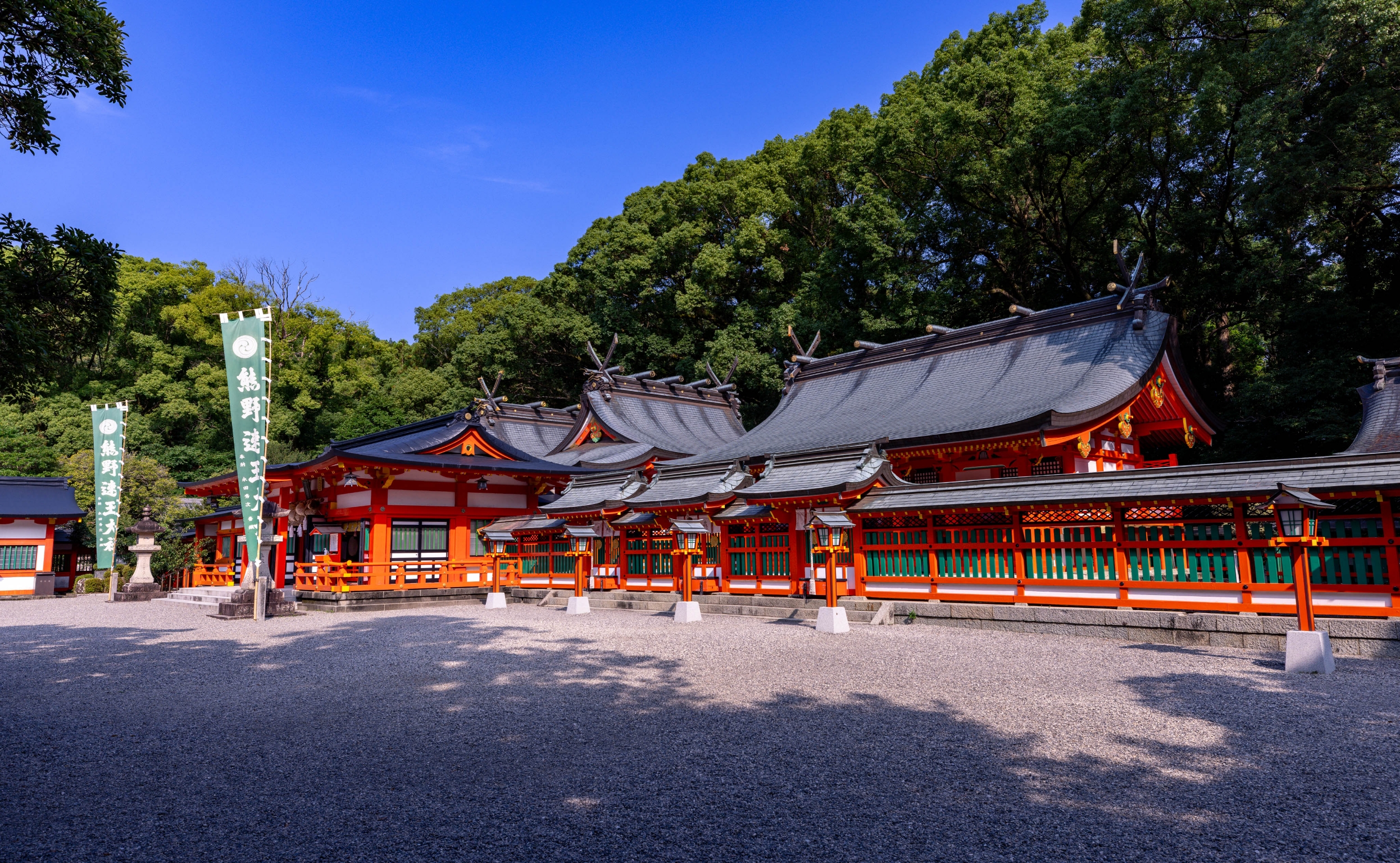


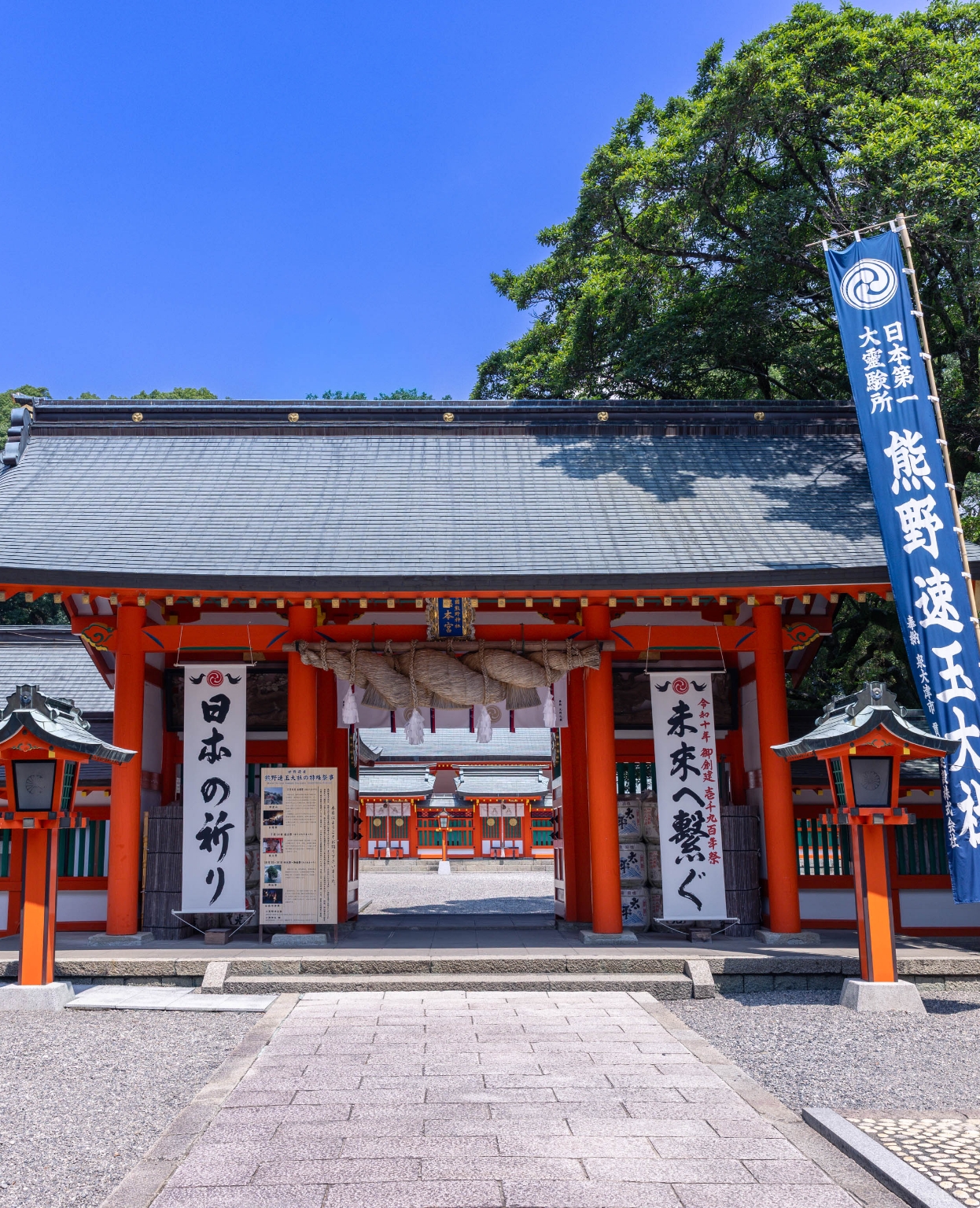
According to tradition, three kami — Kumano-Hayatama-no-Okami, Kumano-Fusumi-no-Okami, and Ketsumimiko-no-Okami — first descended upon the sacred rock named Gotobiki on Mt. Kamikura.
Mt. Kamikura is regarded as the Motomiya, or original sacred site, of Kumano-Hayatama Taisha Grand Shrine. In the earliest period of Kumano faith, it was revered as a sacred natural site, without shrine buildings. The deities were later enshrined at the present site of Kumano-Hayatama Taisha Grand Shrine, where a new shrine was established. In contrast to this ancient sanctuary on the slopes of Mt. Kamikura, the new site came to be known as Shingu, meaning "new shrine." The name lives on today in the name of the city of Shingu.
The enduring connection between Mt. Kamikura and Kumano-Hayatama Taisha Grand Shrine expresses the sacred origins of Kumano.
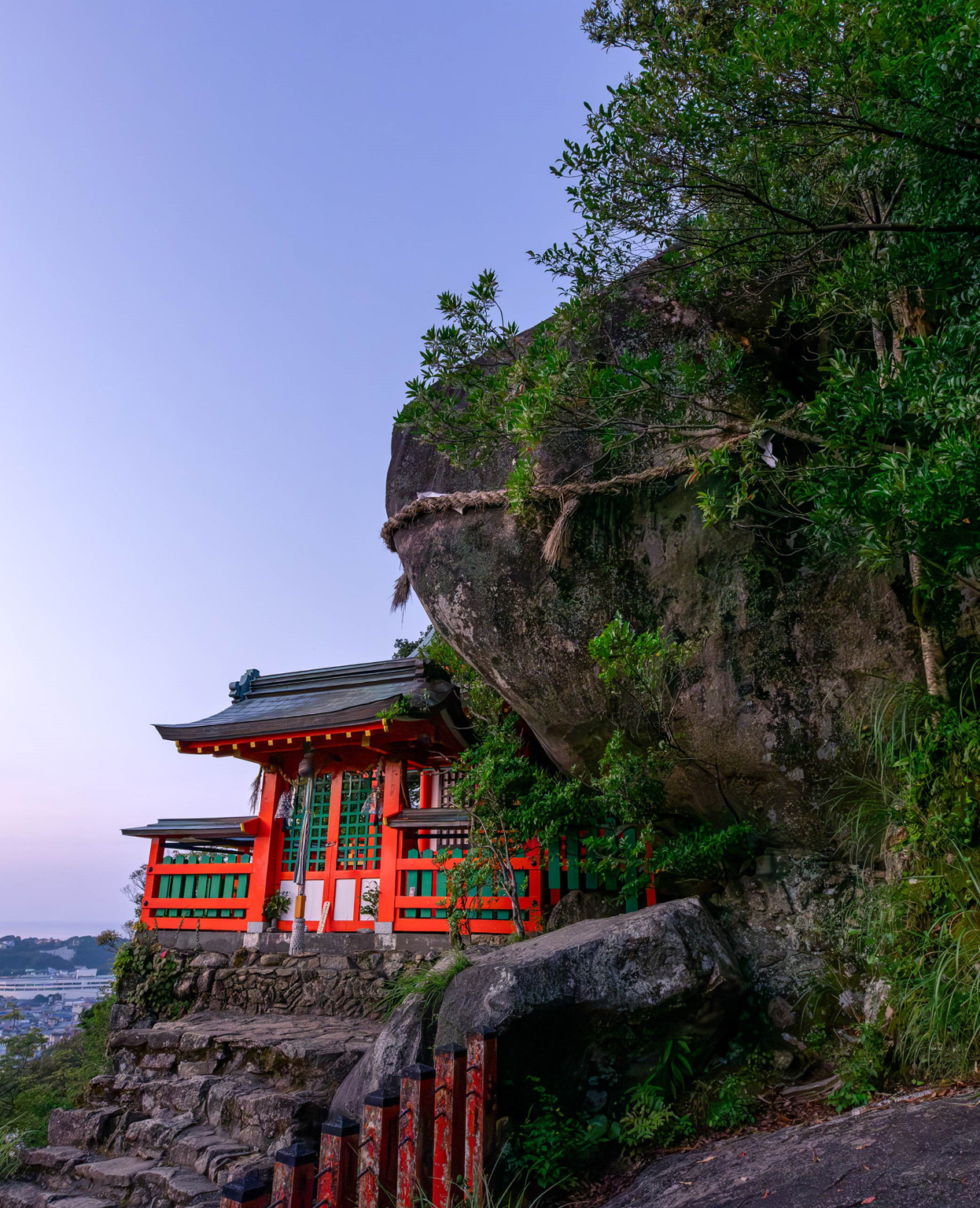
Kamikura Shrine is a sessha, or subsidiary shrine, of Kumano-Hayatama Taisha Grand Shrine, located on Mt. Kamikura. According to tradition, it was here that the deities of Kumano first descended to earth before they were enshrined at Kumano-Hayatama Taisha Grand Shrine.
The shrine is reached by ascending a steep stone stairway of 538 steps. At the end of the approach, the shrine stands nestled at the foot of Gotobiki, the massive sacred boulder where the deities are said to have first descended.
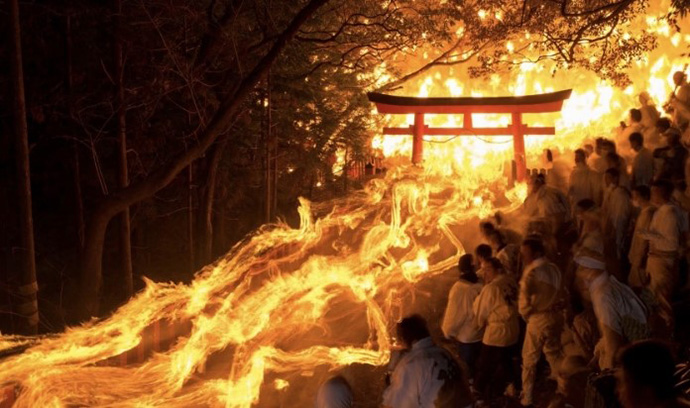
Kamikura Shrine is also the site of the Oto Matsuri (Fire Festival), held every year on the night of February 6. Around 2,000 white-robed participants, known as agariko, descend the 538 steep stone steps carrying blazing torches, with their waists bound with straw rope. The festival is designated as an Important Intangible Folk Cultural Property of Japan.
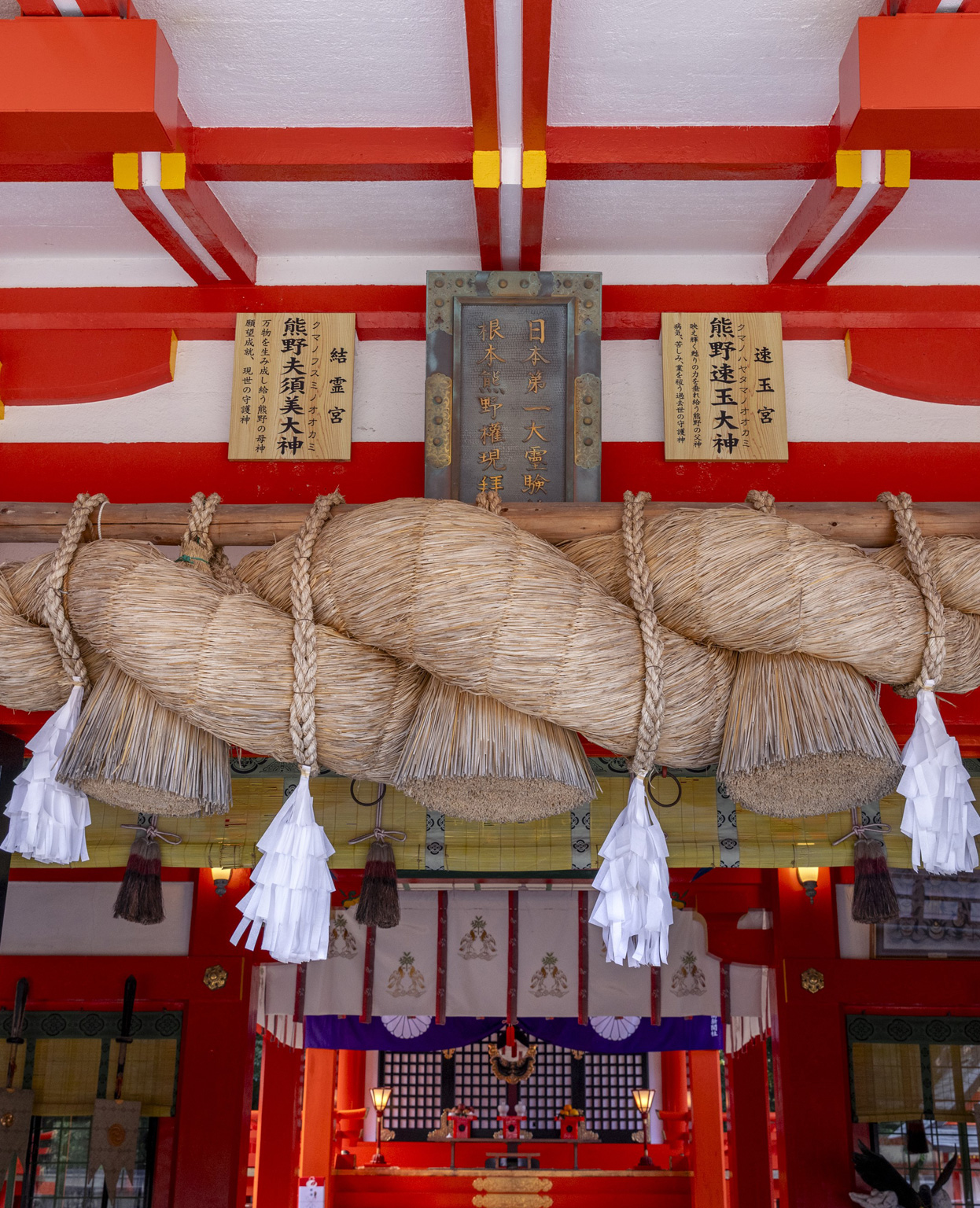
Kumano has long been revered as a sacred region where people come to pray, reflect, and renew their spirits in the presence of nature. Kumano-Hayatama Taisha Grand Shrine has played an important role in this spiritual tradition. Its connection with Mt. Kamikura, regarded as the original sacred site of Kumano faith, reflects the deep relationship between faith and the natural landscape in Kumano.
The Kumano Kodo are ancient pilgrimage routes leading to the sacred sites of Kumano. For generations, pilgrims — from emperors and members of the imperial court to ordinary people — have traveled these routes on foot to offer prayers and seek spiritual renewal. This tradition continues today.
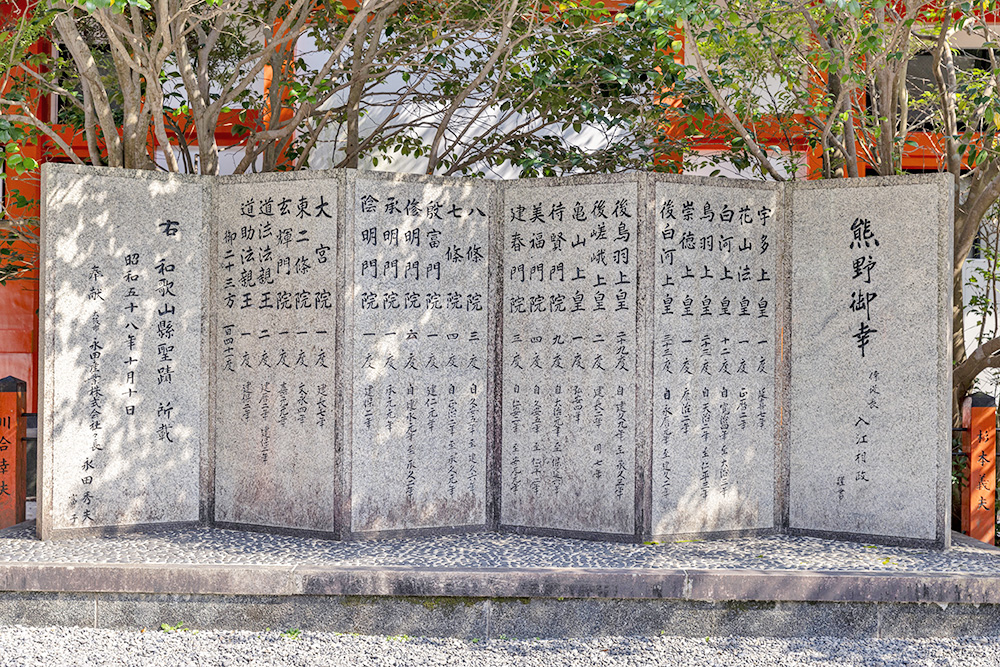
During the medieval period, successive emperors and members of the imperial court made more than 140 pilgrimages to Kumano-Hayatama Taisha Grand Shrine. Emperor Kōken is said to have bestowed an imperial tablet proclaiming Hayatama "Japan's foremost sacred site of divine efficacy." A stone monument within the shrine grounds commemorates these imperial pilgrimages.
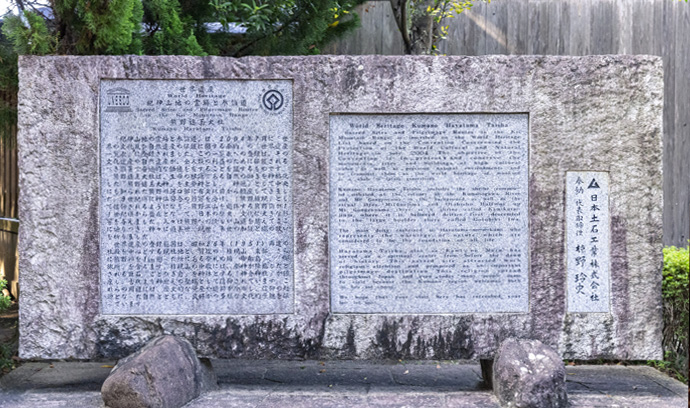
Kumano-Hayatama Taisha Grand Shrine is part of the UNESCO World Heritage property "Sacred Sites and Pilgrimage Routes in the Kii Mountain Range."
Inscribed in 2004, this World Heritage property encompasses sacred sites and pilgrimage routes across the Kii Mountains. It reflects a long history in which faith, pilgrimage, and the natural environment have shaped one another.
The Kumano Sanzan is one of the three sacred-site areas within this World Heritage property, alongside Koyasan and Yoshino-Omine.
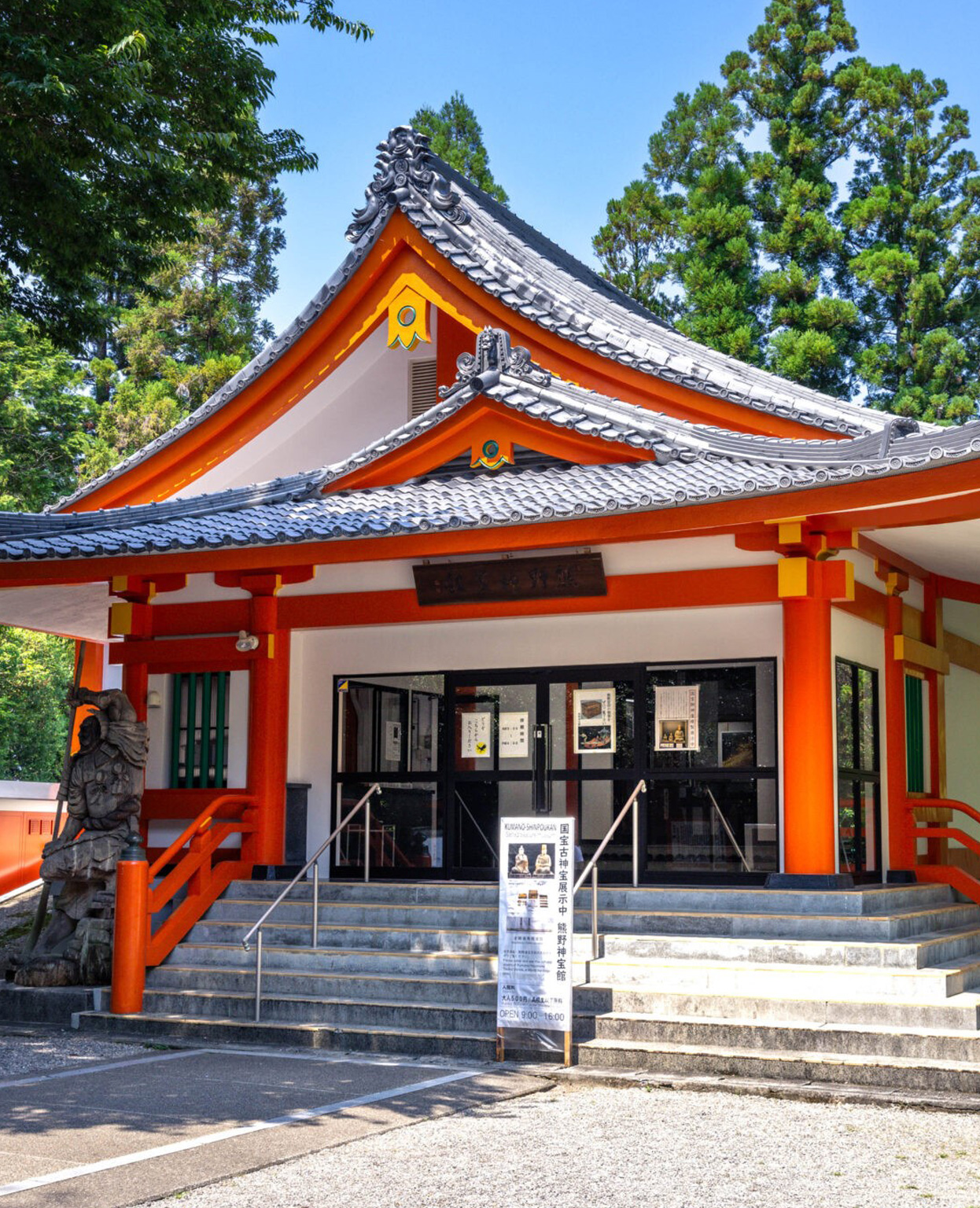
Kumano Shinpoukan, the shrine's treasure hall, preserves more than 1,200 items offered by pilgrims over the centuries. The collection includes National Treasures, and a selection is on permanent display.